
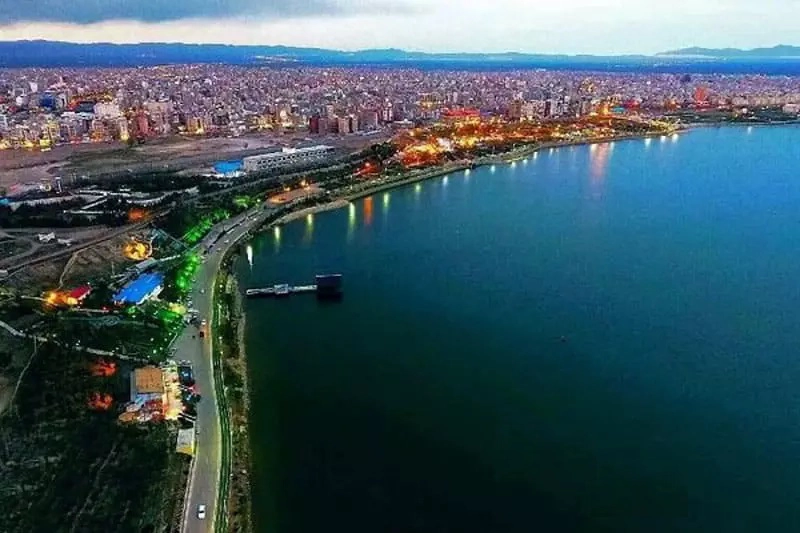
Shorabil Lake is one of the most beautiful natural attractions in northwestern Iran, in the city of Ardabil. With its recreational and welfare facilities, it is among the best places to see in Ardabil and attracts many visitors throughout the year.
The walking path around Shorabil Lake is the longest health trail in Iran. It is one of the largest in-city lakes in the country and appeals to visitors in every season.
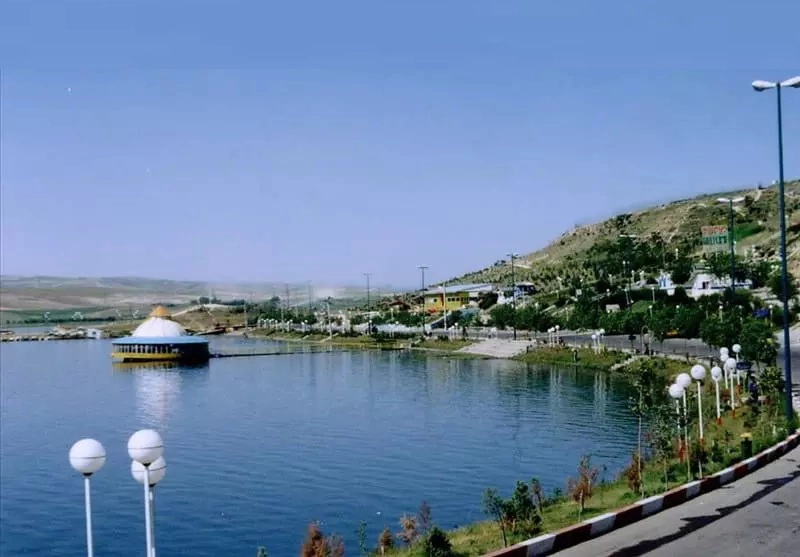
Shorabil Lake is among the oldest bodies of water in Iran; according to researchers it is older than Lake Urmia. Geologists estimate that it formed in the late Tertiary and early Quaternary periods. In the past it was known as a wetland, fed by rainfall during the year and by the Baleyqlu Chay river.
Springs and rivers around the lake once supplied part of its water, and the region receives heavy snow and rain every year. These factors have kept the lake full over time, and the recent freshening of its water has increased its volume considerably. The lake has no natural outlet; until a few years ago only soil absorption and surface evaporation affected its level. A discharge gate has now been installed to control the water level.
Today the salinity of Shorabil’s water has dropped from 80 grams per liter to 2 grams per liter. After water collected behind the Yamchi dam and the Baleyqlu Chay river was directed into the lake, its area grew quickly from about 7 hectares to 18 hectares, and its water volume increased about 14 times, making the water fresher.
For many years the salt in the water kept the lake from freezing in the cold months. Now that the water is fresh, a large sheet of ice forms on the lake in winter, creating a spectacular view. Construction around the lake in recent years has drawn the attention of environmental advocates and raised concern about the ecosystem. Controlling sewage that flows into the lake, reducing withdrawals from it and controlling urban development near the shore are necessary to protect the area. The number of native and migratory bird species around the lake is declining because these measures have not been followed, and planting around the lake should consider how well plants suit the lake’s ecosystem.
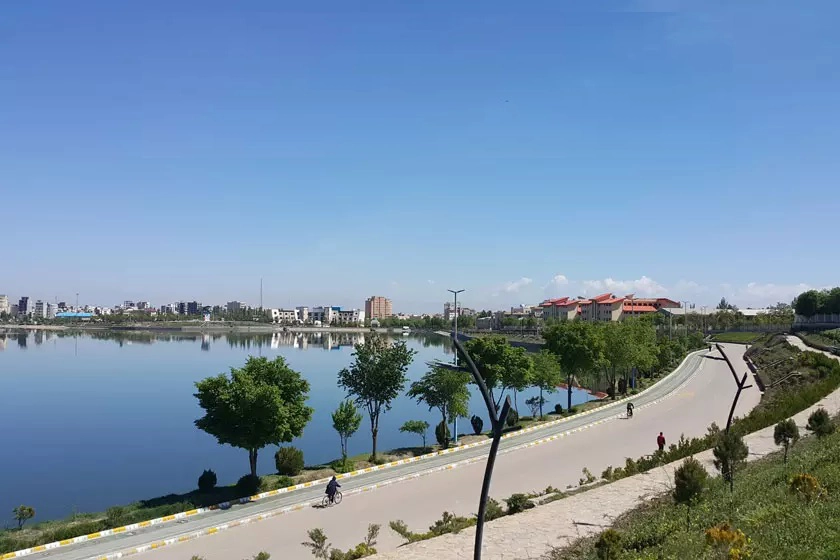
In the past the water of Shorabil Lake was much saltier than it is today, and that is the reason for its name. Over many years its salinity was reduced in a planned way by adding fresh water from the Baleyqlu Chay river. Compared with the distant past, the salinity is about 40 times lower.
Years ago, medicinal plants with strong therapeutic properties grew around the lake, nourished by the salty water, but those species are gone today. The mud of the lake also had therapeutic value: its rich mineral content was used by people with joint pain, and these properties disappeared when the nature of the water changed.
Now that the water is fresh, the Ardabil Fisheries Office raises several species in the lake, such as rainbow trout, carp and crayfish.
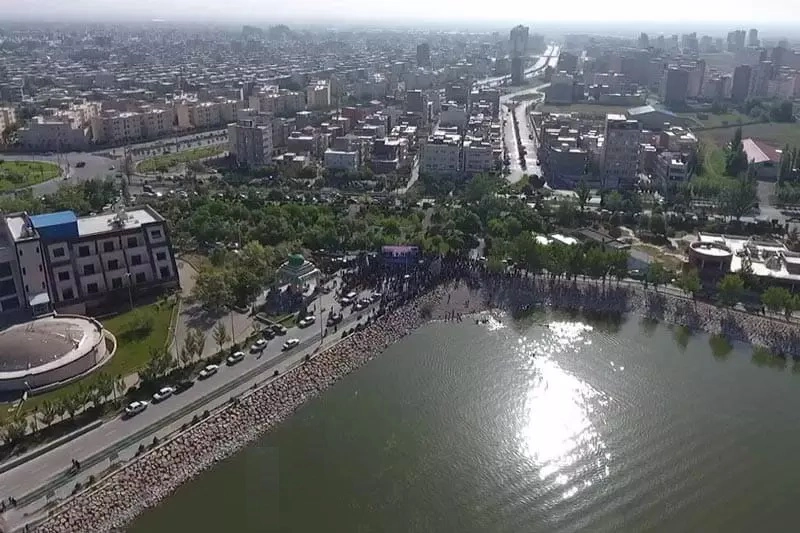
Shorabil Lake formed over a very long time, and geologists, relying on available historical records, estimate that it appeared in the late Tertiary period. Its main source of water has been heavy atmospheric precipitation. The areas around the lake are cold and mountainous and have held extensive natural glaciers since ancient times.
Many strong springs also rise around the lake, and in the past they were much more abundant and fuller than today. The lake sits in a depression among rainy catchment areas, and a large volume of water flowed into it during the year, especially during rainfall. Today a considerable part of the Baleyqlu Chay river also flows into the lake, which has made its water fresh.
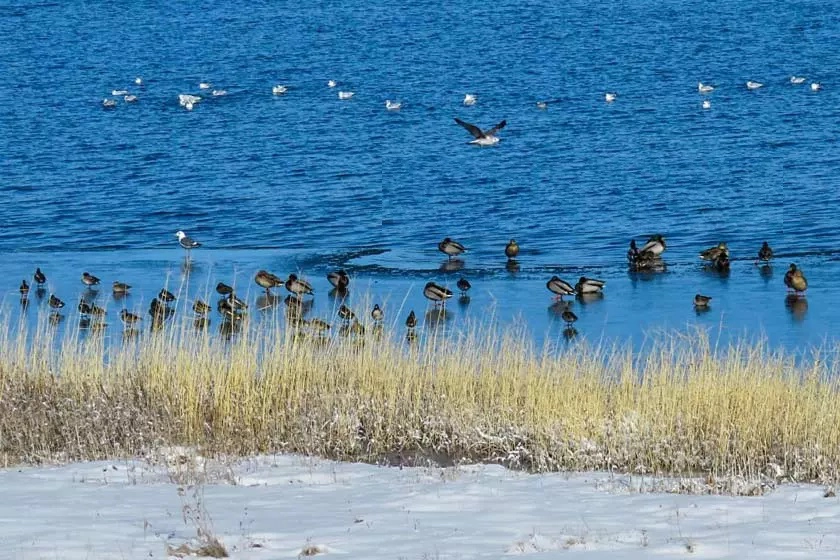
Shorabil is a deep basin surrounded by natural embankments, with some man-made embankments in places. The depth increases toward the middle of the lake. It is a protected area in Iran, and swimming is prohibited in all parts of the lake.
At its deepest point the lake is more than 11 meters deep, so safety rules must be followed when boating. The water level fluctuates by about half a meter between the rainy and warm seasons.
Shorabil Lake offers a variety of recreational, sports and welfare facilities that draw visitors. The walking path around the lake is the longest health trail in the country, with daily public exercise programs, and the road around the lake is suitable for cycling.
The boating track, zip line, grass walking path and cycling path around the lake are part of its facilities. The boating site also hosts professional rowers and competitions in several rowing disciplines. Pedal boats, the two-story leisure ship “Andak” and jet skis are popular with those who enjoy water activities. Additional sports halls, such as taekwondo and wrestling houses, are under consideration.
After walking, boating and exploring, you can relax on the quiet shore and watch the sunset. The lake is also a destination for birds, and watching them in the migration season is a favorite activity for many visitors.
For thrill seekers, the lake’s amusement parks are a good choice. The zip line runs over the water and is more than 900 meters long. Open-air and indoor amusement parks cover a range of family tastes, with bumper cars, a karting track and other electric rides. Bagh-e Behesht and rock parks are also popular around the lake.
After exploring the recreation areas around Shorabil, you can spend time in the gazebos around the lake or in its restaurants and cafes, which offer a wide variety of food.
Ardabil is a cold city among the mountains of northwestern Iran, with cold, rainy weather in the colder months. The view of the wide frozen lake appeals to many visitors, so despite the cold, many travelers come to see Shorabil in winter.
As spring begins, the air near the lake slowly warms, though the first days of Farvardin are still cold. Toward summer, the weather becomes better for walking around the lake and enjoying its sports facilities. Summer heat is not intense here, so the weather suits a visit. Autumn is also beautiful at the lake.
Weather-wise, the best time to visit is from late spring to late summer, but visitors who enjoy cold-season travel also come in autumn and winter.
Read Where Is Arjestan?, plan your route with How to Get to Arjestan, or visit Suha Lake, Neor Lake and Fandoghlu Forest.