
In village culture, food is more than a meal; it is part of memory, hospitality and the way of life of the region’s people. In Arjestan, home-cooked dishes and local ingredients can be an appealing part of the travel experience.
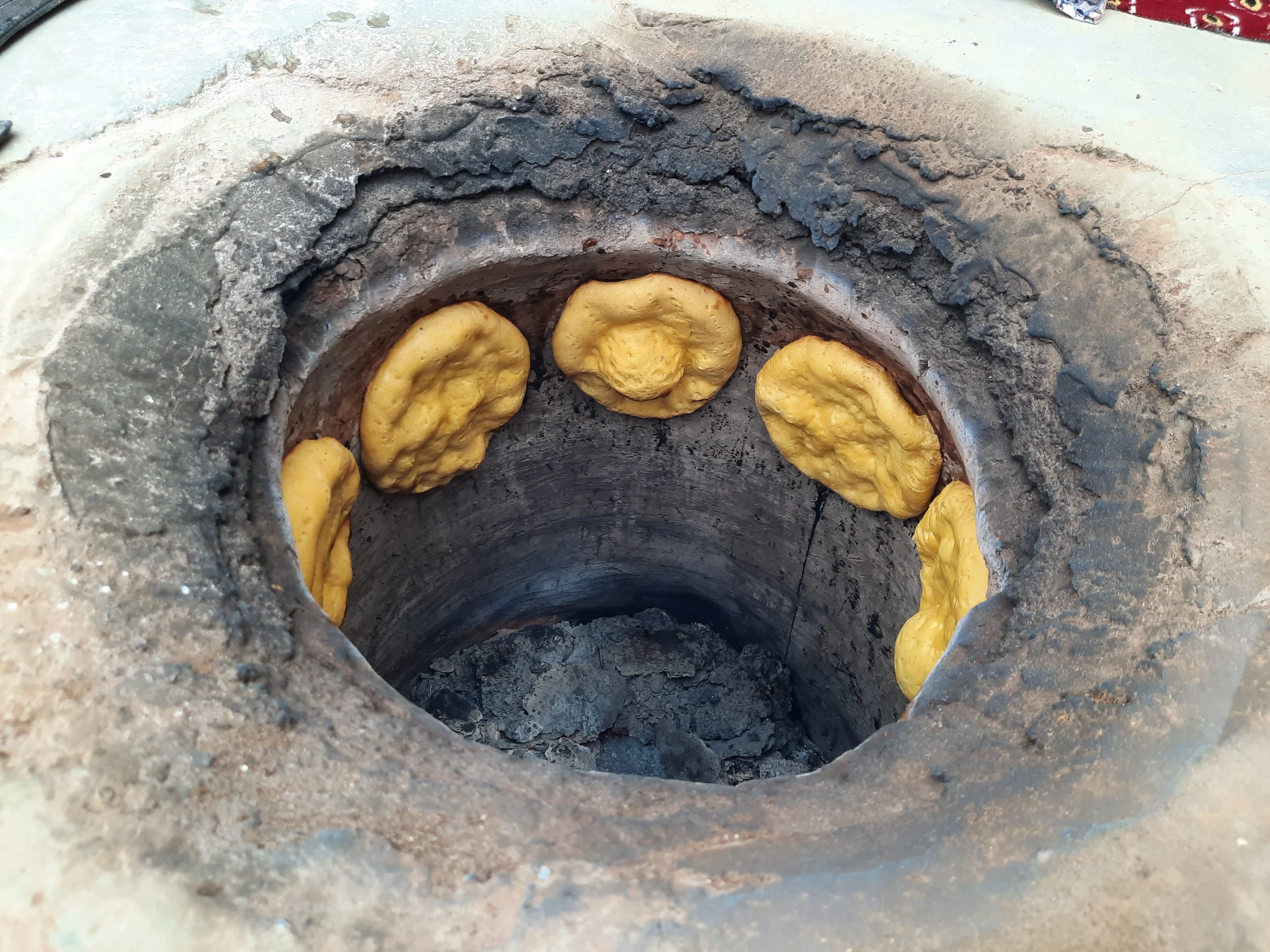
In the Ardabil region, local tables include various ash (thick soups) and soups, rice dishes, meat dishes and simple home-cooked meals. The type of dish and the way it is cooked can differ from one family to another and from one village to another.
Local breads, yogurt, doogh (a yogurt drink) and other dairy products are foods tied to village life and the region’s livestock farming. If you plan to buy local products, it is best to get them from a local producer or seller and to follow hygiene standards.
Seasonal vegetables, dairy, garden produce and other fresh ingredients can play a part in the region’s home cooking. The season of your trip affects the variety and availability of fresh products.
One of the attractions of local food is learning about the way of life and hospitality of the people. If a dish is presented as unique to Arjestan, its name and recipe should be confirmed with local people so that the information on this site stays accurate and reliable.
Read more about the culture and traditions of Arjestan and plan your visit with How to Get to Arjestan.
When visiting Arjestan or the wider Ardabil region, ask local hosts about ingredients, preparation methods, and seasonal availability. Home cooking varies between households, and a dish found in one village may not be available everywhere. This guide describes regional food culture rather than claiming that every dish is unique to Arjestan.
For dairy and other perishable products, choose reputable sellers and pay attention to freshness, hygiene, and proper storage. If you have dietary restrictions, ask about ingredients before eating. Carry reusable water and take food packaging and other waste back with you rather than leaving it in the countryside.
Local memories, traditional names, and family recipes can make this guide more useful. Any recipe or tradition presented as specifically Arjestani should be checked with local residents or a reliable source before publication. Visitors can help preserve food heritage by listening, asking permission before recording stories, and crediting contributors appropriately.
When asking about a local dish, record its name in the local language, the ingredients, the preparation method, the season or occasion when it is served, and any differences between family recipes. These details turn a general food description into a useful record of local knowledge. A dish should be described as uniquely Arjestani only when that connection has been confirmed by local residents.
Visitors should ask about ingredients before tasting unfamiliar food, especially when they have allergies or dietary restrictions. For dairy and other perishable products, pay attention to freshness, storage and basic food-safety conditions.